After the Storm: Resilience in the Garden

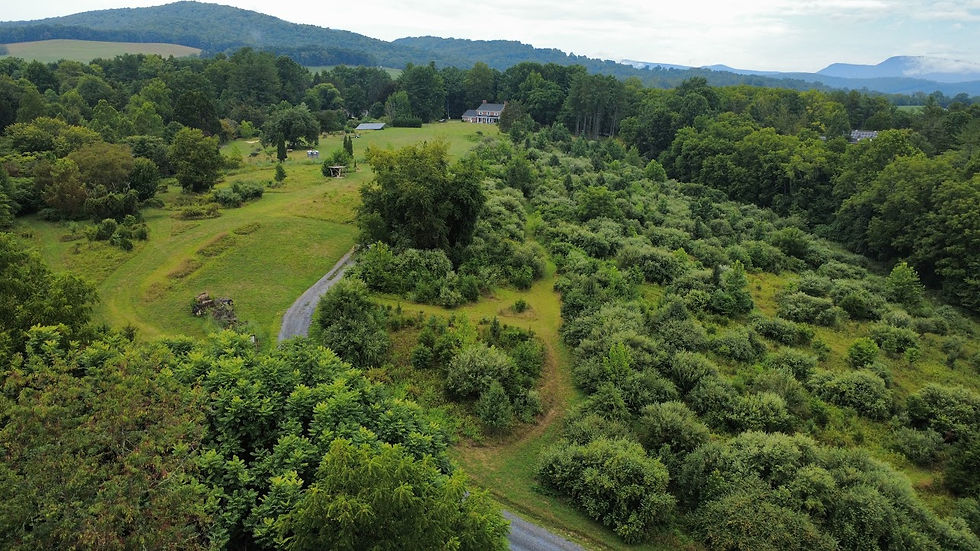
The memorable, yet localized, September 4 storm swept through Boxerwood with powerful winds, bringing down more than a dozen trees across the Garden. Several towering white pines fell in The Meadow Natural Burial Ground, while others came down in the wetland and across walking paths. With school groups returning and visitors enjoying the Garden every day, our first priority was making the grounds safe again.
As chainsaws echoed throughout Lexington, the Boxerwood team worked quickly to clear fallen trunks and branches so students and visitors could once again explore the Garden's winding trails. Storms like this remind us that nature is both beautiful and unpredictable—and that resilience is not about avoiding change, but adapting and growing through it.
Among the trees we lost were an otherwise healthy eastern hemlock and a treasured cucumber magnolia. While we mourn their loss, they also remind us why native trees are worth protecting. They do far more than provide shade or beauty—they support entire communities of wildlife and help keep ecosystems healthy.
The cucumber magnolia (Magnolia acuminata), sometimes called the cucumber tree, is one of Virginia's remarkable native species. Its unusual greenish-yellow flowers are pollinated primarily by beetles, and its bright red fruits provide food for birds in late summer. Fossils show that this ancient tree has been part of North American forests for more than 20 million years, making it one of our oldest living tree lineages. Although it isn't as flashy as some ornamental magnolias, it is a beautiful, stately tree that thrives in moist soils near streams, springs, and wetlands.
The eastern hemlock (Tsuga canadensis) is equally important. These graceful evergreens can live for more than 500 years and grow well over 100 feet tall, creating cool, shaded forests that support an astonishing diversity of life. Their dense groves provide nesting habitat for birds such as black-throated green warblers, shelter wildlife through the winter, and help keep streams cool for aquatic life. Across much of the eastern United States, however, invasive hemlock woolly adelgids have devastated hemlock forests. We are fortunate that Boxerwood's wetland still contains a small grove of relatively healthy trees.
Storms are part of every forest's story. Individual trees may fall, creating space and light for new life, while the forest as a whole continues to adapt and recover. At Boxerwood, we think resilience means caring for native trees that have supported wildlife for thousands—even millions—of years, while helping our community understand the many ways healthy forests care for us in return. From cleaner water and cooler streams to wildlife habitat, carbon storage, and peaceful places to explore, these are gifts that benefit both people and nature.
If you haven't visited Boxerwood recently, we hope you'll stop by. Just know that cleanup is still in process. But, these remarkable trees—and the forests they help create—are well worth celebrating. Every native tree we plant today is an investment in a more resilient landscape for future generations. Thank you for helping Boxerwood care for these inspiring forests—and for the community they sustain.